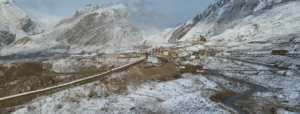

The Annapurna Circuit Trek is one of Nepal’s most popular trekking trails. It offers some of the best views of the Annapurna mountain range, including Annapurna I, II, III, and IV. The route is around 160 kilometers and usually takes 14–21 days. It takes you through varied terrains, from lush green forests to high-altitude deserts. Many trekkers also plan their journey based on the best time to visit the Annapurna Circuit Trek, ensuring favorable weather and clear mountain views.
Other points of attraction include crossing the grueling Thorong La Pass at 5,416 m (17,769 ft), exploring the traditional Nepalese villages of Manang and Marpha, and witnessing spectacular sunrise views from Poon Hill. Overall, the Annapurna Circuit Trek is an unforgettable adventure that blends breathtaking natural beauty with unique cultural experiences for outdoor enthusiasts.
Major attractions of the Annapurna Circuit Trek
- Breathtaking Mountain Views: Stunning views of Annapurna, Dhaulagiri, and Machapuchare (Fishtail) peaks.
- Thorong La Pass: One of the highest points at 5,416m(17769.029ft), offering panoramic mountain views.
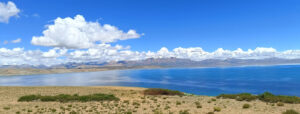
- Tilicho Lake: A serene high-altitude lake surrounded by snow-capped peaks.
- Hot Springs: Relax in natural hot springs at Tatopani after a long day of trekking.
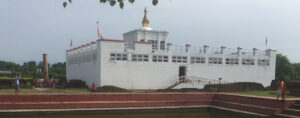
- Muktinath Temple: A sacred pilgrimage site with temples and a spiritual atmosphere.
- Cultural Villages: Experience the local culture in villages like Manang, home to Gurung, Magar, and Thakali people.
Importance of Choosing the Best Time to Visit the Annapurna Circuit Trek
Planning your trek at the right time keeps you safe and comfortable. It helps you avoid problems associated with extreme heat, cold, rain, snow, or storms. Many trekkers choose the best time to visit the Annapurna Circuit Trek specifically to avoid these risks and enjoy stable weather. Hiking in the wrong season can be uncomfortable and even dangerous, so trekking in good weather makes the journey smooth, safe, and far more enjoyable.
1. Trail Safety
Choosing the best season minimizes the threats of mud-slipping, flooding, or heavy snow on trekking trails. Thus, selecting the best season makes your Annapurna Circuit trek safer and easier.
2. Flora and Fauna
The best time to visit the Annapurna Circuit during this trek is when the landscapes are at their best, with blooming flowers and lush greenery. You might walk through rhododendron forests, see the colorful Himalayan monal, or spot blue sheep in the grassland. These simple joys make your journey more special.
Experience local Nepalese Culture.
Local festivals and events often take place during the best trekking seasons, which also happen to be considered the best time to visit the Annapurna Circuit Trek. This gives you the chance to experience something truly unique. Festivals such as Dashain and Tihar add a vibrant and enjoyable cultural touch to your journey, making it even more unforgettable. It’s a wonderful opportunity to connect with local traditions and gain a deeper, more meaningful experience.
Physical Comfort
Trekking in spring and autumn feels more comfortable, with pleasant temperatures and dry, safe trails that make walking easier and more enjoyable. This period is widely regarded as the best time to visit the Annapurna Circuit Trek, offering ideal conditions for a smooth and memorable journey.
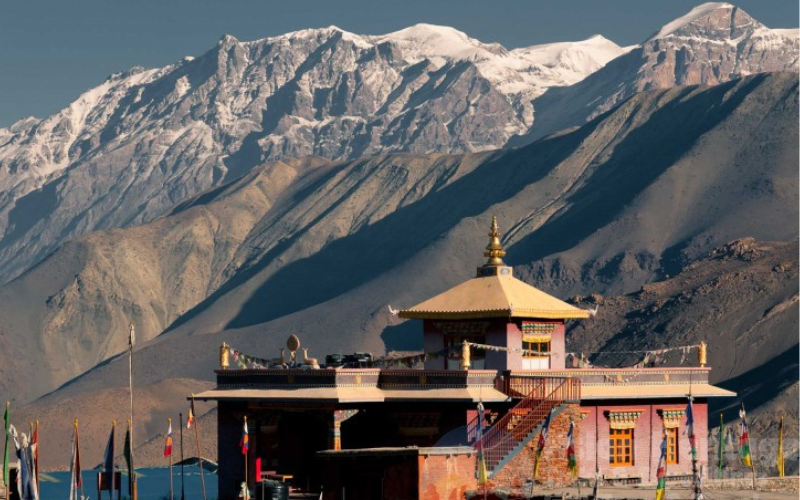
Overview of Annapurna Circuit Trek Seasons
The Annapurna Circuit Trek can be enjoyed year-round, offering something unique each season. Spring (March-May) is one of the best times to trek because the weather is mild, and the blooming rhododendrons fill the landscape with vibrant colors. This is why it’s often called the “Rhododendron Bloom Trek.”
Summer (June-August) brings monsoon rains, making some trails slippery, and the scenery can become misty. However, the trees grow lush and green, creating a beautiful and refreshing atmosphere. Fall (September-November) is another excellent time to trek, with clear skies and comfortable temperatures, offering amazing views of the surrounding peaks.
Winter (December-February) brings colder temperatures and occasional snowfall, making the trails quieter. But it also provides stunning views of the snow-capped mountains. Whether you prefer busy trails or a peaceful experience, there’s a perfect season for everyone on the Annapurna Circuit.
Autumn (September to November)
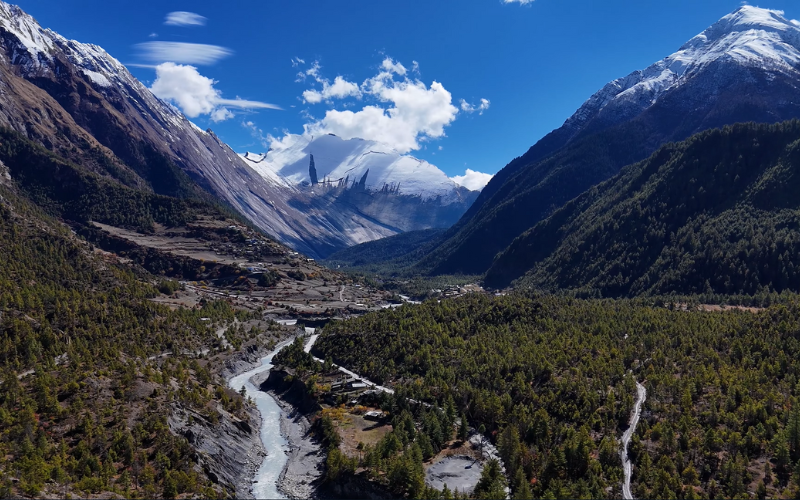
The best time to visit the Annapurna Circuit Trek is during the autumn season, which is from September to November, when favorable weather brings clear skies, stability, and comfortable temperatures of 10°C to 20°C at lower altitudes. During this season, you can enjoy wonderful views of the Annapurna and the Dhaulagiri range, combined with beautiful green landscapes following the monsoon.
This season also marks the time of two major Nepali festivals, Dashain and Tihar, which will bring cultural color to the trek. Autumn trekking in Nepal is, without a doubt, the most favored and recommended trekking season because the trails are dry and perfect for trekking.
The highlight of the Annapurna Circuit Trek is in autumn.
- Clear skies offer breathtaking views of Annapurna, Dhaulagiri, and Machapuchare.
- Local festivals like Dashain and Tihar bring vibrant cultural experiences and make it the best time to visit the Annapurna Circuit Trek.
- Mild temperatures and dry conditions provide the perfect trekking weather.
- Lush, green landscapes from the monsoon rains enhance the scenery.
- Crossing Thorong La Pass offers a thrilling sense of achievement with panoramic views.
Spring (March to May)
The Annapurna Circuit trek in spring (March–May) is perfect for trekking, with mild temperatures and clear skies. Many travelers even consider this season one of the best time to visit the Annapurna Circuit Trek, as the trails come alive with blooming rhododendrons that add vibrant colors to the scenery. Spring also has fewer tourists than autumn, making it an excellent choice for those seeking stunning views, comfortable weather, and a more peaceful trekking experience.
Highlights of Annapurna Circuit Trek in Spring
- Mild temperatures, clear skies, and sunny days make trekking comfortable.
- The Himalayas, including Annapurna and Machapuchare, look their best with great visibility.
- Trails are filled with colorful rhododendron flowers, adding extra beauty to the scenery.
- Dry and pleasant weather with cool nights makes for an enjoyable experience.
- It’s a popular period but still less crowded than the peak months, making it one of the best time to visit the Annapurna Circuit Trek.
Off-Season Trekking: What to Expect
Winter (December to February)
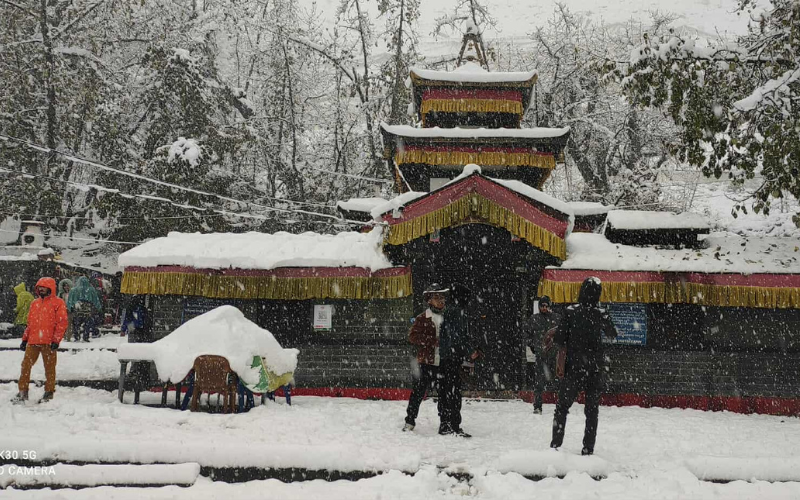
Trekking the Annapurna Circuit in December has its unique experience where there is less crowd and the views are even better with the snow on top of the mountains. The views are impressive, and the cold, fresh air makes the treks quieter.
However, trekking the Annapurna Circuit in the winter season has its own set of difficulties, such as the cold, probable snow covering the track, and limited tea houses open to provide shelter and food. These elements should be taken into consideration when winter trekking in Annapurna. Here are some pros and cons regarding the trek during winter:
Pros
1. Peace
Fewer trekkers mean that you can enjoy the trail without the hustle and bustle; it is a perfect getaway for those who like solitude.
2. Stunning Sceneries:
The cold, clear air gives you incredibly sharp mountain views, offering some of the best scenery the region has to offer. This is one of the reasons why many trekkers consider this period the best time to visit the Annapurna Circuit Trek, with the Annapurna range looking its absolute finest and the skies remaining beautifully clear for photography.
3. Chilled Atmosphere:
There are fewer people, so teahouses are quieter; you get to enjoy a more relaxed experience with better personal attention from lodge owners and staff.
Cons
1. Freezing Cold
Gets extremely cold, especially during the nighttime, and at higher altitudes. Wrap up well, as there can be a drop below freezing at any time.
2. Snow and Ice
The snow on the path is slippery, and some hurdles can be found at Thorong La Pass and a few other places. The more demanding ones require careful watch.
3. Limited Facilities:
Some teahouses in high-altitude places close down in winter. It becomes difficult to find some places with accommodation or food.
Monsoon (June to August)
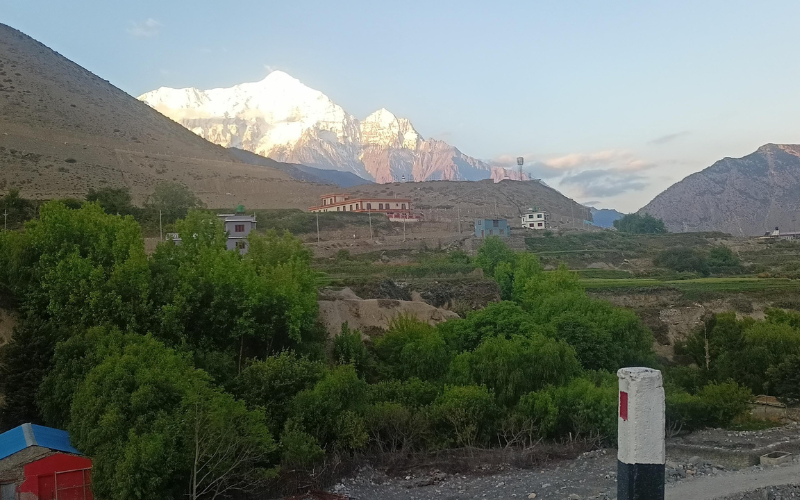
Trekking along the Annapurna Circuit during the monsoon season is extremely scenic due to the greenery, forests, and lush fields. The rains do make the trails difficult and lousy, and the views are often clouded. On the positive side, because it is an off-season trek in Nepal (June to August), you will encounter fewer trekkers and enjoy a more peaceful experience, making this a wonderful choice and truly one of the best time to visit the Annapurna Circuit Trek for nature lovers.
Pros
1. Lush Green Landscapes
Monsoon comes alive with rich color in its forests and valleys, making them full of life, and creating an atmosphere of great serenity and peace.
2. Fewer trekkers
You get to solitude and enjoy the experience of life with the trails, a more peaceful and less crowded experience than others.
Cons
1. Rainy Trails
Wet, slippery passages and landslides make trekking more inconvenient and slower.
2. Cloudy Views
Generally, the rainy season is accompanied by cloudy weather, when the beautiful mountain landscapes are not visible.
Factors to Consider When Planning the Annapurna Circuit Trek
There are so many factors to be considered while planning the trek to Annapurna Circuit to ensure a safe and enjoyable journey, namely weather, crowd, and trail conditions, which may be decisive for the betterment of your experience.
1. Weather Conditions
The best times to visit the Annapurna Circuit trek would be the spring months of March to May and autumn from September to November. These months generally enjoy fine, mild weather, with pleasant temperatures and little rainfall. Most of the time, the sky is clear, and that’s perfect for trekking because one can enjoy the magnificent views.
Monsoons cover from June to August; during these months, the heavy rain turns many areas into slippery trails, and the visibility may be blocked by cloud cover, resulting in a less joyful experience while trekking. It is winter from December to February, and it can be cold with freezing temperatures and snow, especially at high altitudes, so some routes can be closed and more difficult to trek in.
| Month | Average Temperature | Weather Conditions |
| February | 3°C to -8°C | Cold, possibly snow at higher altitudes |
| March | 4°C to -8°C | Mild, clear skies, dry trails |
| April | 8°C to -4°C | Warm, clear skies, ideal trekking |
| May | 14°C to 0°C | Warm, clear skies, perfect weather |
| June | 24°C to 0°C | Hot in the lower regions, rain begins |
| July | 15°C to 0°C | Rainy, slippery trails, cloud cover |
| August | 19°C to 0°C | Rainy, wet conditions, cloud cover |
| September | 14°C to 0°C | Post-monsoon, clear skies, cooler |
| October | 14°C to 0°C | Best weather, clear skies, dry trails |
| November | 4°C to -2°C | Clear, dry, crisp air, great trekking |
| December | 1°C to -4°C | Cold, snow in high altitudes |
| January | 1°C to 10°C | Very cold, snow in higher regions |
2. Crowds on the Annapurna Circuit Trek
In spring and autumn, which are generally regarded as the best time to visit the Annapurna Circuit Trek, the trails and lodges become lively with trekkers enjoying stable weather and clear views. While these seasons offer ideal trekking conditions, they can also feel a bit crowded. In contrast, choosing to trek during the monsoon or winter provides a quieter experience with far fewer people. However, the weather in these off-seasons can be less predictable and more challenging, with rain during the monsoon and snow in winter, especially at higher altitudes.
3. Accessibility
The Annapurna Circuit remains accessible throughout the year, but the condition of the trails varies with the seasons. During the monsoon, trails become slippery and are prone to landslides, while winter snow usually blocks the high-altitude passes.
4. Safety
Higher altitudes, especially beyond 4,000 meters above sea level, pose threats of altitude sickness. The trekking high season is the safest and well-supported, while the monsoon and winter seasons largely increase the chances of hazards such as landslides and cold diseases.
Tips for Trekking in Different Seasons
The Annapurna Circuit in Nepal is an incredible trek with stunning views. The experience can change a lot depending on the season. Here’s a guide on what to expect and how to get ready for each season.
1. Spring (March to May)
Spring is one of the best time to visit the Annapurna Circuit Trek. The weather is nice, not too hot or cold, and the flowers are in bloom, making the views even more beautiful.
What to Pack
You will need light layers for the daytime and warmer clothes for the evening. Don’t forget a good sleeping bag and sunscreen. A rain jacket can be useful in case of rain at higher altitudes.
Challenges
The weather is mostly good, but snow or rain could happen in the mountains. Be ready for a quick change in the weather.
2. Summer (June to August) – Monsoon Season
Summer is monsoon season, which means rain. The trails are quieter, so it’s a great time to go if you want to avoid crowds.
What to Pack
Waterproof gear is essential. Bring a rain jacket, waterproof boots, and a rain cover for your backpack. Also, quick-drying clothes and mosquito repellent will help.
Challenges
Trails can be slippery, and there’s a risk of landslides. You might also encounter leeches in some areas. But if you don’t mind getting wet, the views are still beautiful.
Autumn (September to November)
Autumn is the peak season for trekking the Annapurna Circuit. The weather is perfect for hiking, with clear skies, cool temperatures, and no rain. But it is also the busiest time, so the trails will be crowded.
What to Pack
Light layers for the daytime and something warmer for the evening. Comfortable boots and snacks for energy are also a good idea.
Challenges
Since it’s a busy season, booking accommodation early is a good idea. Popular spots can get crowded, especially at tea houses.
Winter (December to February)
Winter is the quietest time to trek, but it’s also the coldest. If you’re looking for a peaceful, less crowded experience, winter can be a great choice.
What to Pack
You will need warm clothing, an insulated sleeping bag, and sturdy boots. For high passes, crampons or microspikes are needed to handle the ice and snow.
Challenges
The cold is the biggest challenge. Some tea houses close, so planning for places to stay and food is important. Snow can also make parts of the trail.
General Tips for any season in the Annapurna Circuit trek
No matter when you decide to trek the Annapurna Circuit, there are a few general tips that can help to make your journey safer and more enjoyable. Keep these in mind to ensure a smooth experience.
Navigation
Always carry a map, compass, or GPS, which will help you to find your way, especially in bad weather or fading light.
First-Aid Kit
Pack essentials like bandages, painkillers, and blister treatment. It’s better to be prepared for small injuries.
Hydration
Drink water regularly to stay hydrated. Dehydration can happen even in cold or hot weather.
Snacks
Bring high-energy snacks like nuts or energy bars to keep your energy up throughout the day.
Check the Weather
Always check the forecast before heading out and be ready to change plans if conditions worsen.
Footwear
Wear comfortable, waterproof boots, and use gaiters in winter to keep snow out of your shoes.
Sun Protection
Apply sunscreen, wear a hat, and cover up to protect yourself from the sun, even on cloudy days.
Conclusion.
The best time to visit the Annapurna Circuit trek depends on what you are looking for, but no matter when you choose to trek surely it will surely provide an unforgettable lifetime experience. With the best season, you will enjoy amazing views, great weather, and the perfect conditions for trekking. The trek will give you beautiful memories, even in the winter season too which you will cherish forever and a new love for the beauty of the Himalayas.
Frequently Asked Questions
Can I trek the Annapurna Circuit year-round?
Yes, you can trek the Annapurna Circuit any time of year, but the best time to visit the Annapurna Circuit trek is spring (March to June) and autumn (September to November). During these months, the weather is pleasant, and the views are clear. Winter (December to February) is cold, with fewer trekkers, but it offers a peaceful and adventurous experience. The monsoon season (June to August) is rainy, but the landscape becomes lush and green, making it beautiful in its own way, even if it’s less popular for trekking. Each season has its charm, so you can choose the one that feels right for you.
What’s the busiest month for the Annapurna Circuit?
The most active months regarding the Annapurna Circuit are October and November. This is autumn, when the weather is beautiful, cool, and dry with clear skies. Therefore, it is the best time to visit the Annapurna Circuit trek. If you like fewer crowds, then you should trek just before or after these peak months.
How does altitude affect the trek in different seasons?
According to the season, altitude impacts the trek differently. Spring and autumn bring mild weather conditions, making it easier for the hiker to get acclimatized to an increased altitude without developing altitude sickness. Cold winter months might increase trekking difficulties, mainly at high altitudes, along with a greater risk of altitude sickness.
After the monsoon, lower-altitude trails get soggy, but high-altitude trails are considered safe, though the humidity still makes breathing harder. Altitude adjustment is expected overall in spring and autumn.
Let our expert team at Asian Heritage Treks and Travel take care of everything — from guided tours to personalized packing tips and travel arrangements.
Plan My Annapurna Trip